It is the rice that Yahata Sushi is proud of.
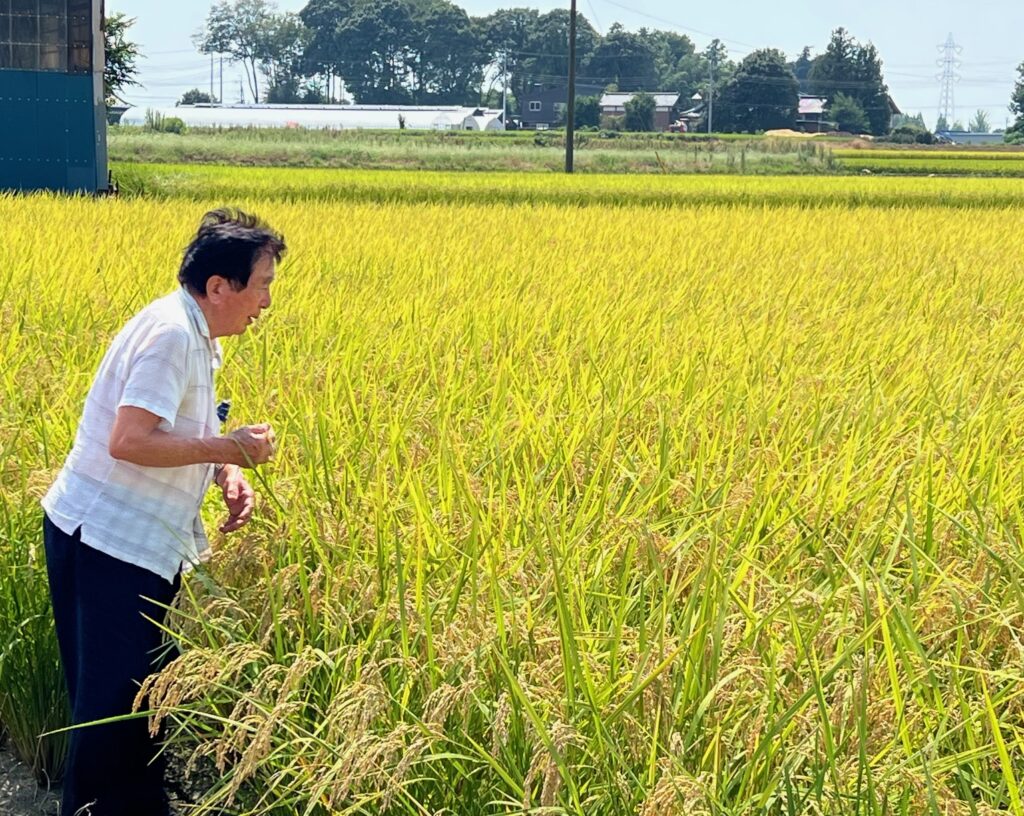
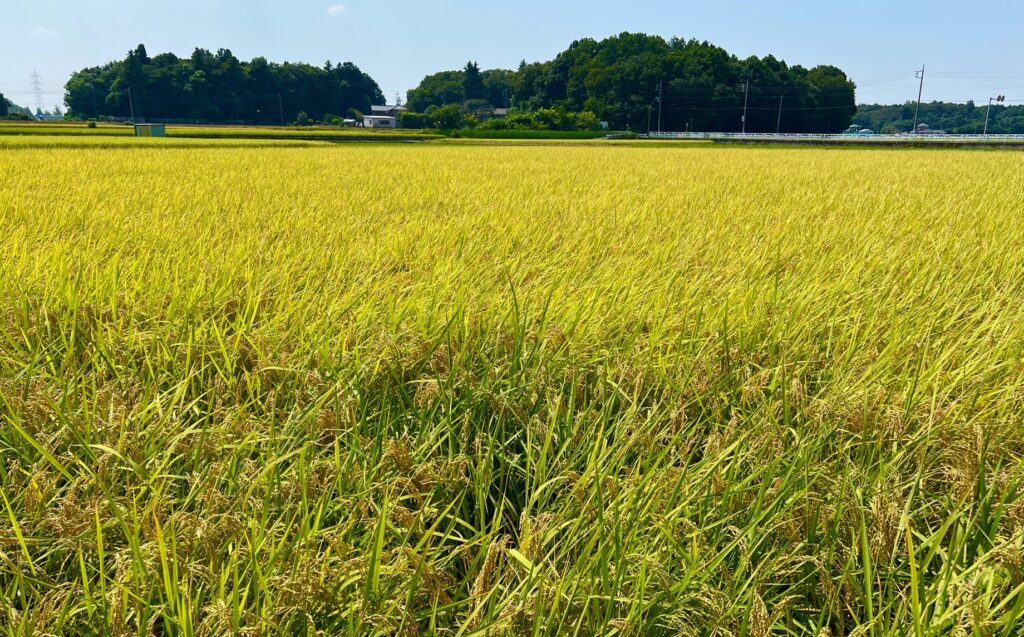
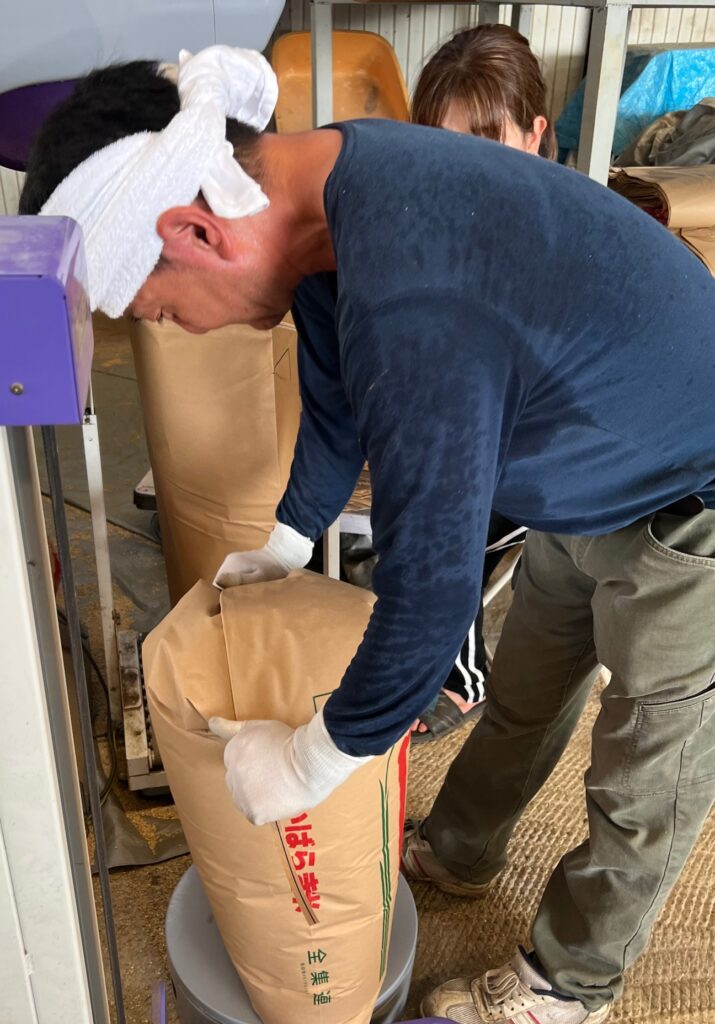
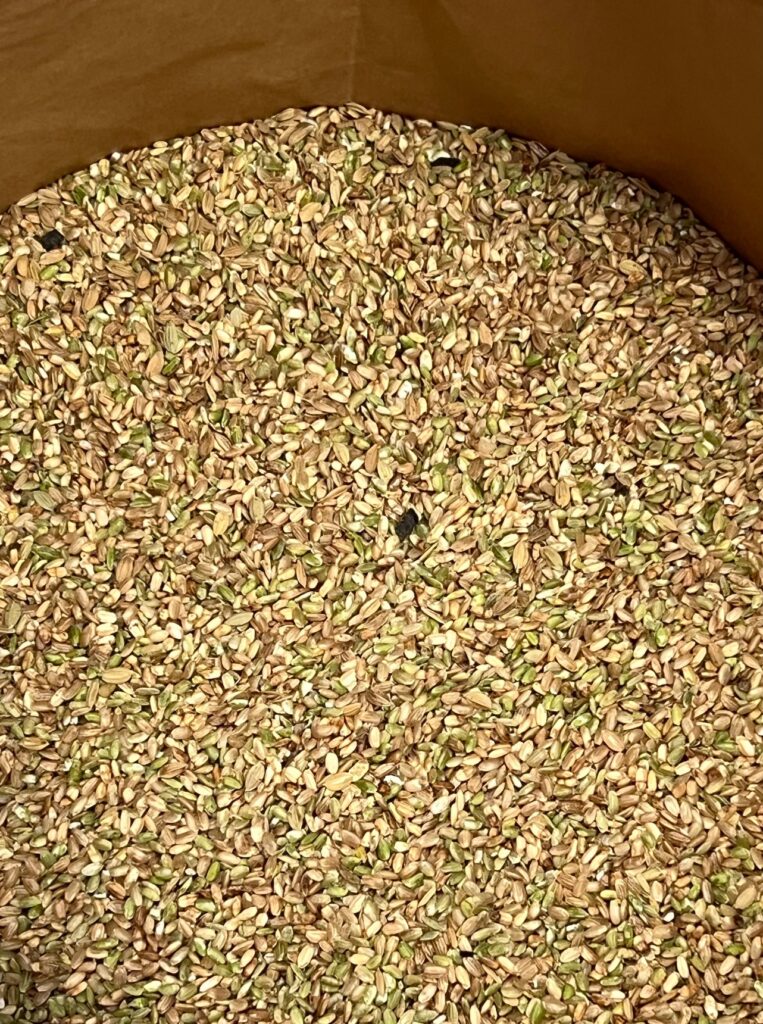
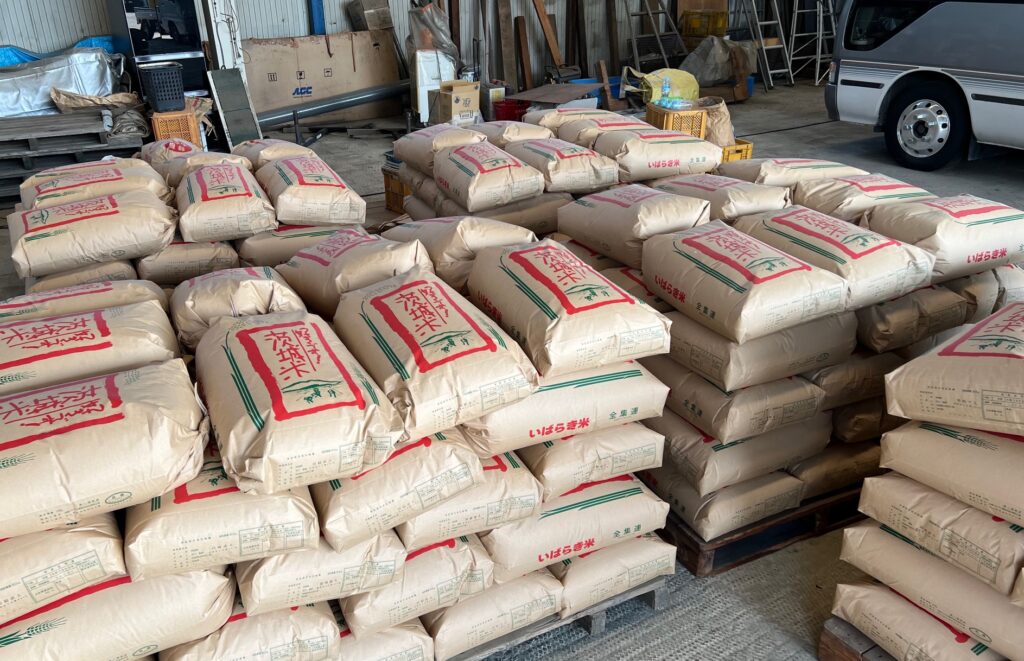
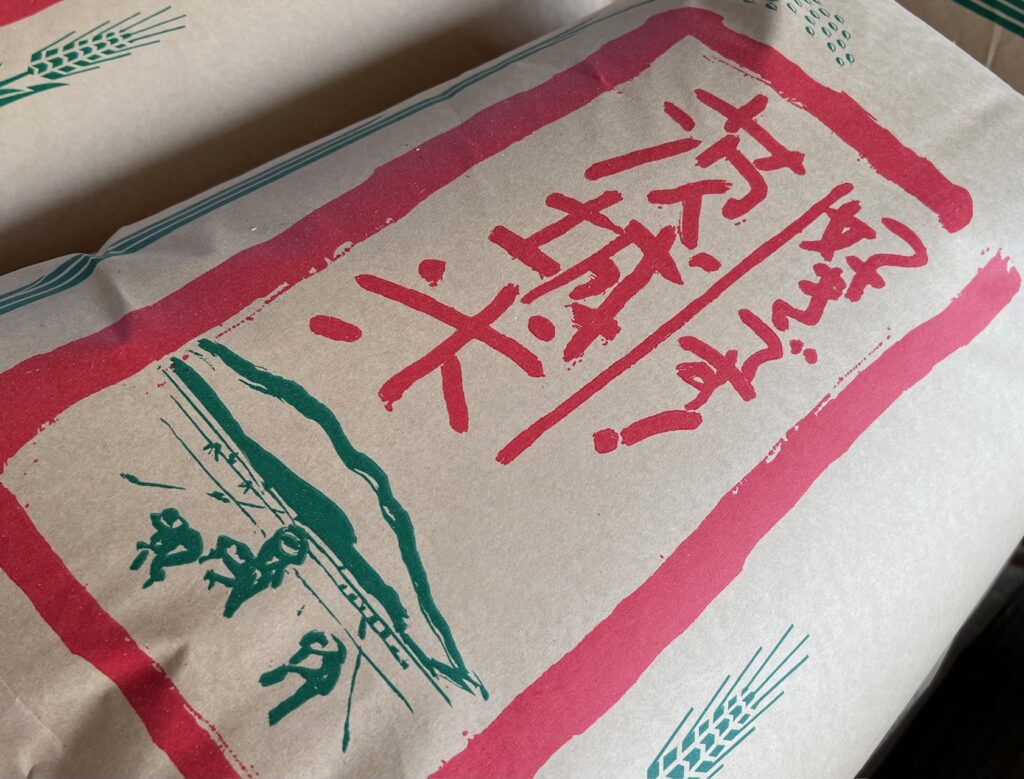
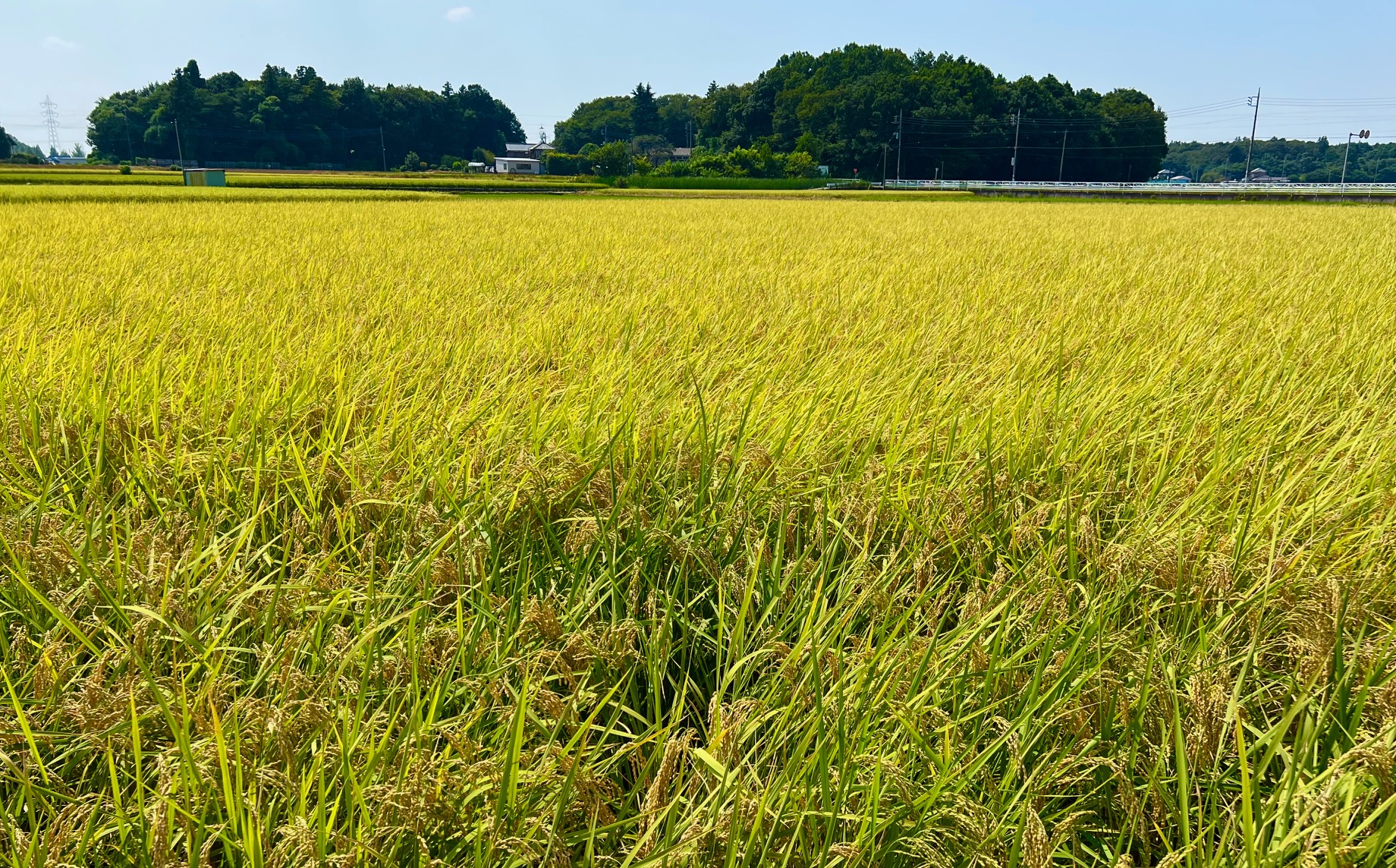
The current recipe for Hachiman Sushi’s shari was inherited from the fourth generation. In the past, it was much saltier, but now, more than 50 years ago, less than half of it was reduced in salt, and it has remained so far. So even after eating Hachiman sushi, you don’t often experience a dry throat due to too much salt, do you? And as I have already introduced before, the rice is grown by the fifth-generation uncle in Furukawa City, Ibaraki Prefecture. It is also grown using wellwater in a dedicated paddy field. In addition, we are very particular about not using pesticides as much as possible. I visited the paddy field in mid-August on Sunday during the harvest. The uncle who does it is 88 years old, born in 1937. Normally, harvest would be done in two days, but on this day, the rice harvested the day before was not processed by the threshing machine, so it was carried over to the next day. Thanks to that, I was able to see the golden rice stalks up close. When I went to the rice field drained of water, the scenery as described in the words “I wonder if the rice stalks will fall as well as they bear fruit” spread out in front of me. Well, it’s the grandchildren and their husband who dry out the harvested rice and pack it into bags (their parents and fifth-generation cousins died of Corona). The process of carefully packing the rice stalk by stalk while sweating is spectacular and at the same time makes me bow my head. We store this rice in a large refrigerator. On this day, I only saw the task of packing harvested rice into bags, but I know how difficult it must be to grow it this far. For sushi restaurants, rice is life. Knowing that delicious shari is made like this, I felt a new gratitude. And it is our mission to make the most of this. We will continue to make delicious sushi in the future so that we will not be ashamed of our noble rice cultivation.